How often do you trust an app to help you relax, only to wonder later—what did it record while I was using it? Eye protection apps promise to soothe your screen time, but few ask what they might be storing in the background. If your phone remembers every time you felt tired or stressed, who else could know? This isn’t just about comfort—it’s about what your habits reveal and who’s watching. You download these tools to care for your eyes, not realizing they might be quietly collecting pieces of your routine, your rhythm, even your emotional cues. It’s not paranoia. It’s awareness. And it’s something every one of us deserves—especially when we’re simply trying to take better care of ourselves.
The Hidden Cost of Digital Comfort
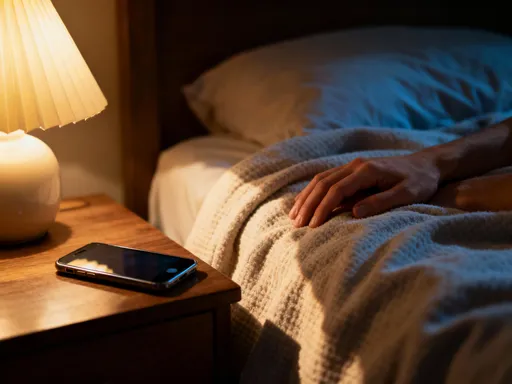
You’ve had a long day. The kids are finally asleep, the house is quiet, and you’re curled up with your phone, scrolling through a few articles or watching a gentle video before bed. The screen glows warm and soft, thanks to your eye protection app. It feels like a small act of kindness toward yourself—less blue light, less strain, a little more peace. You might even think, This is self-care. And it is. But beneath that soothing filter, something else might be happening.
Many of these apps don’t just adjust your screen—they watch how you use it. They record when you turn it on, how long you stay active, whether you pause between sentences, or if you’re scrolling slower when you’re tired. Some even measure ambient light in your room to 'optimize' the display. All of this is framed as personalization: the app learns your habits to serve you better. But here’s the quiet truth—every time it learns, it remembers. And that memory isn’t stored in your head. It’s stored in a server, somewhere, possibly shared, possibly sold.
Think of it like this: you wouldn’t hand a stranger a journal filled with your bedtime routines, stress patterns, and quiet moments of solitude. Yet that’s exactly what some apps collect, masked as 'user experience improvements.' The trade-off isn’t always clear. You get a gentler screen, but in return, your digital behavior becomes data. Not just 'what' you do, but 'when,' 'how long,' and 'how often'—details that, when combined, paint a surprisingly intimate picture of your life.
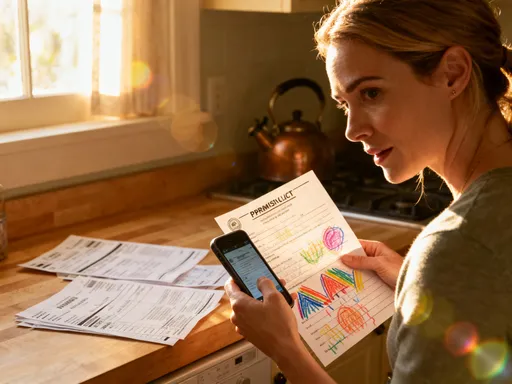
And the scariest part? Most of us don’t even know we’ve agreed to it. We tap 'Accept' on a permissions screen without reading, eager to get back to our video or article. We trust the app because it has a calming name, a soft logo, and promises to 'protect' us. But protection shouldn’t come at the cost of privacy. Not when the very moments we seek comfort become the ones that are monitored.
When Self-Care Apps Remember Too Much
Let’s talk about what these apps actually know. On the surface, an eye protection app seems simple—it dims the screen, shifts the color tone, maybe reminds you to take breaks. But behind the scenes, many are built with data collection tools that go far beyond screen settings. They log your active hours, detect your scroll speed, and even infer your mood based on how you interact with your phone. For example, if you’re staring at the screen past midnight, pausing between messages, and typing slowly, the app might 'learn' that you’re stressed or fatigued. It doesn’t ask how you feel—it guesses. And every guess becomes a data point.
Over time, this builds a behavioral profile. It knows when you wake up, when you work, when you unwind. It sees the nights you can’t sleep, the weekends you binge-watch, the weekday mornings you rush through emails with squinted eyes. It may even sync with other apps to understand your location—like noticing you use darker settings in dimly lit rooms or adjust brightness differently at home versus at a café. All of this helps the app 'personalize' your experience. But it also means your phone is quietly writing a diary about you—one you never authorized.
Now, imagine that diary being accessed not just by the app developer, but by advertisers, data brokers, or third-party analytics companies. Your bedtime routine could be used to target sleep aid ads. Your late-night scrolling might label you as 'overwhelmed' in a marketing database. Your typing pauses could be interpreted as signs of low energy or distraction. None of this requires your name or photo. Patterns alone are enough to categorize and predict your behavior.
This isn’t science fiction. It’s already happening with fitness trackers, meditation apps, and smart home devices. Why would eye protection apps be any different? The line between wellness and surveillance is thinner than we think. And when an app remembers more than we intended, it stops being a tool and starts feeling like a witness—one that never forgets, and never asks permission.
Why Your Screen Habits Are More Sensitive Than You Think
We tend to think of screen time data as harmless—just numbers, right? How long you looked at your phone, what color the screen was, maybe your brightness level. But when these fragments are stitched together, they form a story. And that story can reveal things you’d never tell anyone. A pattern of late-night screen use, for instance, isn’t just about eye strain. To a data analyst, it might signal insomnia, anxiety, loneliness, or job stress. Frequent breaks during work hours could be interpreted as low productivity. Long pauses between messages might suggest emotional hesitation or fatigue.
Here’s the reality: your digital behavior is a behavioral fingerprint. It shows your rhythms, your moods, your coping mechanisms. And companies are getting better at reading it. Some wellness apps already use AI to detect signs of depression based on typing speed and app usage. While that might sound helpful in theory, the danger lies in who gets access to those insights—and how they’re used.
Imagine a world where your eye protection app’s data is shared with an insurance provider. Could they use your screen habits to assess your mental health risk? What if an employer bought aggregated data showing that people who scroll late at night are 'less focused'—and used that to shape hiring decisions? These scenarios aren’t guaranteed, but they’re possible. And once your data leaves your phone, you lose control over where it goes.
The irony is painful: we download these apps to feel better, to protect our health, only to risk exposing our vulnerabilities. We seek comfort, but we may be handing over the very patterns that make us feel exposed. It’s not that technology is evil—it’s that it’s often designed to collect first and ask questions later. And in the process, our private moments of rest become public data points.
The good news? You don’t have to stop using these tools. But you do need to use them wisely. Awareness is the first step. The next is learning how to protect yourself—without giving up the comfort you deserve.
Who’s Accessing Your Digital Routine—and Why?
You might be thinking, But who would even want this data? It’s a fair question. After all, your screen brightness settings don’t sound exciting. But in the world of data analytics, everything has value. Your habits are part of a larger puzzle. When combined with millions of other users, they help companies understand human behavior at scale. And that understanding translates into profit.
Many eye protection apps are free. That should raise a red flag. If you’re not paying for the app, you’re not the customer—you’re the product. The app makes money by collecting data and sharing it with third parties, often buried in vague privacy policies. Some apps partner with advertising networks, allowing them to target you with personalized ads. Others sell anonymized data to research firms or behavioral analysts. And while your name might not be attached, your patterns can still be traced back to a profile that feels personal.
Take permissions, for example. Why would an eye protection app need access to your location, contacts, or microphone? It probably doesn’t. But many apps request broad permissions 'just in case'—and users grant them without thinking. Once granted, that access can be used in ways you never intended. Even if the app itself is safe, its partners might not be. Data breaches happen. Companies get acquired. Policies change. And your data? It rarely gets deleted.
There have been real cases—though we won’t name specific apps to avoid targeting any one developer—where wellness tools were found sharing user data with third-party trackers. In some instances, data was sent to companies known for building detailed user profiles for advertising. In others, analytics tools embedded in the app collected far more than necessary. None of it was illegal, per se, but all of it happened without most users realizing it.
The motivation is clear: data is currency. The more an app knows about you, the more valuable you become in the digital economy. And because eye protection apps are used during intimate moments—late at night, during breaks, in private spaces—they capture behavior that feels safe. That’s exactly why it’s so valuable. Your trust becomes their asset.
Building Better Boundaries: Choosing Apps That Respect You
So what can you do? The answer isn’t to throw your phone away or stop using helpful tools. It’s to become a smarter, more selective user. Think of it like grocery shopping—you wouldn’t buy food without checking the ingredients. Why treat your apps any differently? Your digital life deserves the same care as your physical one.
Start by asking simple questions. Does this app need my location to dim my screen? Probably not. Does it need access to my contacts or calendar? Almost certainly not. If an app requests permissions that don’t make sense, that’s a warning sign. You can usually deny those permissions without losing core functionality. On both iOS and Android, you can go into settings and limit what each app can access. It takes five minutes, and it’s one of the most powerful things you can do for your privacy.
Look for apps with clear, transparent privacy policies. Avoid those with long, confusing legal jargon. If a developer explains in plain language what data they collect and why—and promises not to sell it—that’s a good sign. Even better? Apps that work offline. If the app doesn’t need to send your data to the cloud to function, that’s a huge win. Some open-source eye protection tools, for example, run entirely on your device. No servers, no tracking, no hidden costs.
And don’t be afraid to read reviews. Not just the star ratings, but the actual comments. Look for mentions of privacy, data usage, or unexpected behavior. If multiple users report strange battery drain or background activity, it might mean the app is doing more than it claims. Trust your instincts. If something feels off, it probably is.
Choosing the right app isn’t about perfection. It’s about intention. It’s about saying, I deserve tools that care for me without exploiting me. And yes, those tools exist. You just have to look for them.
Simple Steps to Protect Your Digital Self
You don’t need to be a tech expert to protect your privacy. Small, consistent actions make a big difference. Think of them like daily habits—brushing your teeth, locking the front door, checking the stove. These digital routines become second nature with practice.
First, audit your app permissions monthly. Go into your phone’s settings and review which apps have access to your location, camera, microphone, and contacts. Turn off anything that doesn’t make sense. For example, your flashlight app shouldn’t need your location. Your calculator doesn’t need your contacts. These might seem like small things, but they add up.
Second, enable 'private mode' or 'local processing' when available. Some eye protection apps offer settings that keep all data on your device. Choose those options. If the app doesn’t offer them, consider switching to one that does.
Third, download apps only from official stores—Google Play or the Apple App Store. While not foolproof, these platforms have stricter guidelines than third-party sources. And pay attention to app size. A tiny app that claims to do a lot might be a red flag—it could be a front for data collection.
Fourth, use a privacy-focused browser and enable tracking protection. This won’t fix app behavior, but it reduces the overall footprint you leave online. And finally, talk to your family about this. Share what you’ve learned with your teens, your partner, your parents. Make it a household habit. Privacy isn’t just individual—it’s collective.
These steps won’t make you invisible online. But they will give you more control. And in a world where so much feels out of our hands, control is a form of comfort.
Reclaiming Tech That Cares—Without the Cost
We don’t have to choose between wellness and privacy. We can have both. The goal isn’t to fear technology, but to demand better from it. We deserve apps that protect our eyes without probing our lives. We deserve tools that support our well-being without selling our stories.
Technology should serve us—not the other way around. When we use it mindfully, when we set boundaries and ask questions, we take back power. We say, This is my time. This is my routine. This is my peace. And no app should get to keep that without our full, informed consent.
The next time you download a self-care app, pause. Read the permissions. Check the reviews. Ask yourself: does this feel respectful? Does it treat me like a person, not a data point? Your answer matters. Because every time you choose an app that honors your privacy, you’re voting for a kinder, more ethical digital world.
And that’s the real self-care. Not just protecting your eyes—but protecting your inner life, too. In a world that never stops watching, sometimes the most radical act is simply deciding what you’ll share, and what you’ll keep for yourself.