Life used to blur after work—endless scrolling, lost photos, forgotten notes, and that nagging stress of *what did I save where?* I’d promised myself more family time, more peace, but my phone felt like a digital tornado. Then I stopped managing my data—and let it manage itself. Auto-sync wasn’t just about safety; it became the quiet force that restored my focus, my calm, and my evenings. No more frantic searches. No more losing precious moments. Just peace of mind, one seamless backup at a time.
The Night My Phone Died—and Changed Everything
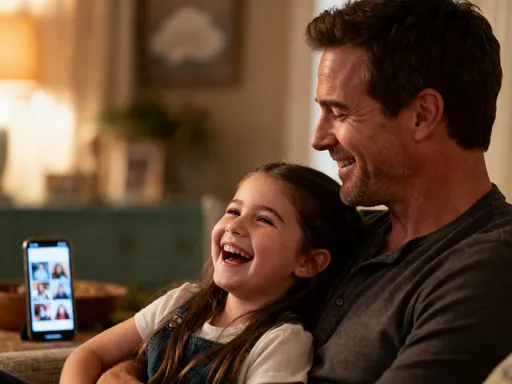
I remember the exact moment everything shifted. It was a quiet Sunday evening. My daughter had just turned six, and I was showing her birthday video to my parents over a video call. Laughter filled the room as we watched her blow out the candles, her little face glowing with joy. Then, halfway through the clip, my phone froze. The screen flickered. And then—nothing. Just a black, unresponsive rectangle in my hand.
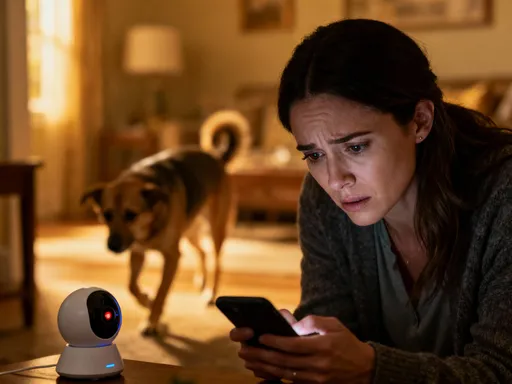
I pressed the power button. Nothing. I plugged it in. Waited. Tried again. Still nothing. Panic rose in my chest like a wave. Those videos—were they gone? That moment, those smiles, that sound of her giggling—had I just lost it all? My parents could see the color drain from my face. 'Are you okay?' my mom asked. I could only shake my head, throat tight. I hadn’t backed up in over two weeks. I thought I had time. I thought, 'I’ll do it tomorrow.'
That night, I learned a hard truth: data loss isn’t just a tech problem. It’s emotional. It’s personal. It’s the fear of losing a moment you can never recreate. I eventually got my phone fixed, but the data? Most of it was gone. Rebuilding took days—scouring old emails, asking friends if they’d saved clips, trying to piece together fragments of a day that should’ve been preserved whole. But more than the time, it was the guilt that lingered. I had promised myself I’d be more present, more intentional. And yet, I’d failed to protect the very proof of those intentions.
That moment became a turning point. Not because I suddenly became tech-savvy, but because I realized I was treating my digital life like an afterthought. I was managing it manually, like a chore I kept putting off. And every time I delayed, I risked more than files—I risked memories, connections, and my own peace of mind.
From Chaos to Calm: The Real Cost of Manual Backups
Let’s be honest—how many of us actually back up consistently? We all *say* we will. 'I’ll do it tonight.' 'This weekend for sure.' But then the kids need help with homework, dinner burns, the dog needs a walk, or you just… forget. I used to rely on plugging my phone into my laptop, tapping 'backup,' and hoping for the best. Sometimes it worked. Often, I’d get distracted mid-process. The progress bar would freeze. Or I’d close the laptop, unknowingly stopping the backup halfway.
And even when it worked, I never felt sure. Did it really save everything? Did it catch the voice memo of my son’s first joke? The photo of my mom’s handwritten recipe? The notes from my doctor’s appointment? The uncertainty was exhausting. It wasn’t just about storage—it was the mental load of carrying that question everywhere: Did I save it? That constant background noise ate into my focus, my calm, my ability to just… be.
I started noticing how much energy I spent managing my digital life. I’d open folders just to double-check. I’d hoard duplicates 'just in case.' I’d avoid deleting anything, terrified I’d lose something important. My phone wasn’t a tool anymore—it was a source of low-grade anxiety. And the worst part? It was all self-inflicted. I was working against myself, turning simple moments into digital chores.
The real cost wasn’t measured in gigabytes. It was measured in time—time I could’ve spent reading with my daughter, calling a friend, or just sitting quietly with a cup of tea. I was trading peace for control, and I wasn’t even in control. I was just stressed.
The Shift: Letting Go of Control (and Gaining Peace)
One morning, after yet another failed backup attempt, I sat at my kitchen table and asked myself: Why am I doing this the hard way? Why am I treating my phone like a project that needs constant supervision? I wasn’t trying to run a business—I was trying to live a life. That’s when I decided to stop *doing* backup and start *living* with it.
I switched to automatic, cloud-based syncing. No more cables. No more manual taps. No more 'remember to back up.' I set it up so that my photos, notes, contacts, calendar, and files synced automatically across my phone, tablet, and laptop—quietly, in the background, every time I was on Wi-Fi. At first, it felt strange. Like letting someone else drive my car. I kept checking: 'Is it really working? Did it save that?' But after a few days, something shifted. I stopped checking. I stopped worrying.
And that’s when I noticed the change—not in my devices, but in myself. I was calmer. More present. I wasn’t jumping every time my phone buzzed, fearing a crash. I wasn’t obsessing over storage space. My phone stopped feeling like a responsibility and started feeling like a helper. It was still the same device, but my relationship with it had transformed. I wasn’t managing it anymore. It was supporting me.
That shift—from control to trust—wasn’t just about technology. It was emotional. It was like finally delegating a task I’d been carrying alone for years. And the relief? It was immediate. I had more mental space. More patience. More room to breathe.
How Silent Sync Transformed My Work-Life Rhythm
One of the biggest surprises was how auto-sync improved my daily rhythm. Before, switching between devices felt like a chore. I’d write a note on my phone during a school pickup, then forget to transfer it to my laptop. I’d save a recipe on my tablet, only to realize I couldn’t access it from my phone at the grocery store. My work and personal life were fragmented—literally scattered across devices.
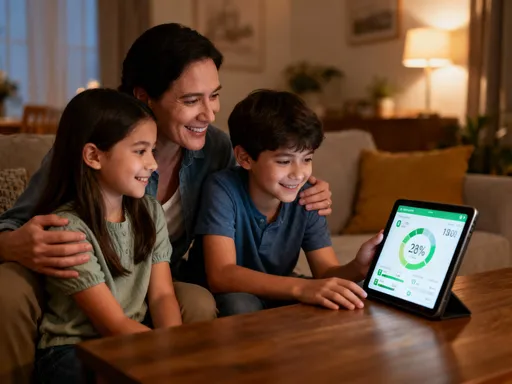
Now, everything flows. I jot down a meeting idea on my phone, and by the time I’m at my desk, it’s already on my laptop. My grocery list updates in real time—no more 'Did you add milk?' texts with my wife. We share a family photo album that syncs automatically, so she can see our son’s school play the moment I upload it. No more 'Where are those vacation pics?' No more 'Did you get that document?'
The small friction points—the tiny delays and miscommunications—just… disappeared. And those minutes? They added up. I started using that reclaimed time for things that mattered. A 15-minute walk with my son after dinner. Sitting with my coffee a little longer in the morning. Just breathing after a long day, instead of rushing to 'fix' something digital.
My work became smoother, too. I no longer waste time searching for files or recreating lost notes. My focus is sharper because I’m not mentally juggling where things are stored. And when I do need something—fast—it’s there. No panic. No stress. Just access. That reliability has made me more confident, more efficient, and honestly, more relaxed.
It’s Not Just Photos—It’s Peace of Mind
People think auto-backup is about photos. And yes, saving my daughter’s first dance recital or my mom’s birthday dinner is priceless. But the real benefit goes deeper. It’s about knowing that everything I care about is safe—without me having to do anything.
I don’t double-check anymore. I don’t hoard files 'just in case.' I don’t panic when my phone runs low on storage. I delete what I don’t need, organize what I do, and live digitally with ease. That freedom has changed how I use technology. It’s no longer a source of stress—it’s a quiet partner in my life.
Last month, my phone slipped into the sink while I was washing dishes. I gasped, pulled it out, heart racing. But then—I laughed. Not because it wasn’t a problem, but because I knew the truth: I hadn’t lost my life. I’d lost a device. The photos, the messages, the notes, the calendar events—they were all safe, synced, and ready to be restored to a new phone.
That moment taught me something powerful: peace of mind isn’t about having the latest phone. It’s about knowing you’re protected. It’s about trusting that your memories, your work, your connections are secure—automatically, silently, continuously. That confidence? It’s not something you can measure in gigabytes. It’s measured in calm, in presence, in the ability to live without fear.
Making It Work: Simple Setup, Lifelong Gains
I’ll be honest—I used to think setting up auto-sync was complicated. I pictured menus full of technical jargon, passwords, and confusing options. But when I finally tried it, it took less than 15 minutes. No tech skills required. Just a few simple steps.
First, I chose a trusted cloud service—iCloud for my Apple devices, and Google One for my tablet. Both are secure, widely used, and offer encryption to protect privacy. I made sure my devices were connected to Wi-Fi, then went into settings and turned on auto-sync for photos, contacts, notes, and files. I set it to back up only over Wi-Fi, so I wouldn’t use up my data plan. I also enabled two-factor authentication for extra security.
That was it. No cables. No reminders. No effort. From that moment on, my devices started syncing automatically. I didn’t have to think about it. It just worked. And the best part? It runs 24/7, silently, in the background. Even when I’m asleep, it’s backing up the day’s moments—my son’s doodle, a voice memo of my to-do list, a sunset photo from my walk.
If you’re nervous, start small. Turn on photo sync first. See how it feels. Then add notes, then contacts. You don’t have to do it all at once. The goal isn’t perfection—it’s peace. And once it’s set, you can forget about it. That’s the whole point.
The Real Win: More Than Data—More Life
This isn’t about tech. It’s not about storage space or download speeds. It’s about what happens when you stop worrying about your phone. When you stop carrying the weight of 'Did I save it?'—you gain something far more valuable: mental space.
And that space? It becomes patience. It becomes presence. It becomes the ability to truly listen when your daughter tells you about her day. To fully enjoy a quiet moment with your partner. To feel calm after a long day, instead of scrambling to 'fix' something digital.
Auto-sync didn’t just save my data. It gave me back my evenings. It gave me back my focus. It gave me back my peace. I’m not saying technology is the answer to everything. But when it works quietly in the background, supporting your life instead of demanding your attention, it becomes something beautiful. It becomes invisible help.
Today, when I watch my daughter’s birthday video, I don’t worry about my phone. I just watch. I smile. I remember. And I’m fully there—because I know it’s safe. And so am I.