Have you ever stood on a foreign street, heart pounding, phone battery fading, and no idea which way to go? I have—and it was more than just disorienting, it was isolating. But over time, something shifted. Those same apps I once used just to avoid getting lost began connecting me to places, people, and parts of myself I didn’t expect. They didn’t just show me directions—they helped me feel at home, anywhere. What started as a simple tool for survival slowly became something deeper: a quiet companion in my daily life, a source of calm in chaos, and even a bridge to the people I love. And honestly? I don’t know how I managed before.
The Panic of Being Truly Lost
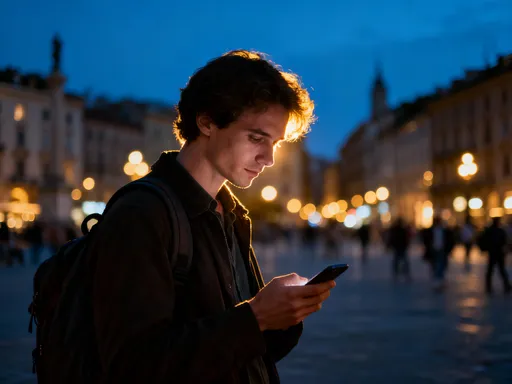
I’ll never forget the first time I got completely turned around in a city where I didn’t speak the language. It was early evening in Kyoto, the streets were narrow and nearly identical, and the soft glow of paper lanterns only made it harder to tell one turn from another. My phone was at 12 percent, my bag felt heavy, and my daughter was waiting for me at a small family-run restaurant she had been excited to show me. I had the address, yes, but no recognizable landmarks, and every alley looked like the one before. I remember stopping under a covered walkway, trying not to cry, feeling that sharp mix of embarrassment and fear that comes when you realize you’re truly lost.
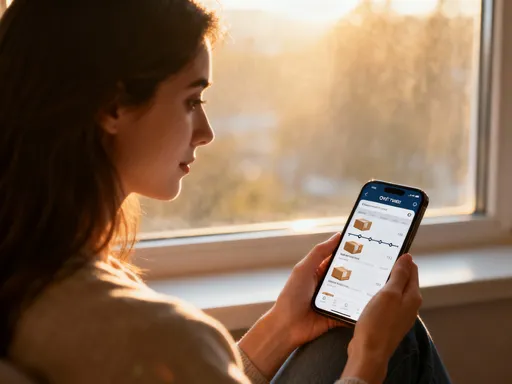
That’s when I opened the map app—my hands shaking slightly—and tapped on the little blue dot that represented me. It took a few seconds, but then, like a whisper of reassurance, the route appeared. Step by step, voice guiding me gently, it led me through side streets I’d never have chosen on my own, past a tiny shrine and a noodle shop with steam rising from its doorway. And then, there it was: the red curtain of the restaurant, just as she’d described. I wasn’t just found—I was brought back. That moment taught me something I hadn’t expected: a map isn’t just about geography. It’s about dignity. It’s about not having to ask for help when you’re too tired or overwhelmed to speak. It’s about having a quiet, patient guide when the world feels too big.
Since then, I’ve realized how often we take that sense of safety for granted—until it’s gone. When you’re navigating a new city, a hospital visit, or even your child’s school pickup route for the first time, the smallest uncertainty can feel huge. But having a map in your pocket changes that. It doesn’t erase the unknown, but it makes it manageable. It gives you permission to breathe, to pause, to keep going. And for someone like me, who values both independence and peace of mind, that’s priceless.
From Survival to Exploration
Once I stopped fearing getting lost, something surprising happened: I started wanting to get lost—on purpose. Not in the panicked way, but in the curious, open-hearted way. I began wandering without a fixed destination, trusting that I could always find my way back. And that’s when I noticed something else—the map wasn’t just showing me how to survive the city. It was starting to show me how to enjoy it.
One rainy afternoon in Lisbon, I ducked into a small bookstore to wait out the downpour. When I opened my map to check the weather and plan my next move, a little icon popped up: “Café Aroma nearby—rated 4.8, known for cinnamon toast and vinyl records.” I hadn’t searched for it. I hadn’t even known it existed. But there it was, tucked between two older buildings, just a two-minute walk away. I followed the route, stepped inside, and found myself in a cozy space with jazz playing softly and the smell of baked apples in the air. I sat by the window with a cup of tea and a book I’d bought next door, and for the first time in weeks, I felt truly relaxed.
That moment wasn’t luck. It was design. Modern map apps don’t just respond to your searches—they learn from them. They notice that you often stop at quiet parks, that you prefer cafés with outdoor seating, that you’ve visited several bookshops recently. And slowly, they start suggesting places that feel personal, almost like a friend saying, “You’d love this.” It turns random wandering into meaningful discovery. You begin to feel, not like a tourist rushing from one highlight to the next, but like someone who belongs, even temporarily.
For busy women juggling family, work, and personal time, this kind of gentle guidance is a gift. It’s not about adding more to your plate—it’s about making the moments you do have richer, more intentional. Whether it’s finding a peaceful garden near your hotel or a bakery that opens early for road trips, these small joys add up. And the best part? You don’t have to plan for them. The map does it for you, quietly, without fanfare.
Maps That Know You Better Than You Think
Here’s something I didn’t expect: after using a map app for a while, it started to feel less like a tool and more like someone who really knew me. Not in a creepy way—nothing invasive or unsettling. But in that thoughtful, “I’ve got your back” kind of way. Like the morning I was running late for a doctor’s appointment, and as I grabbed my keys, my phone buzzed: “Leave now to avoid traffic—ETA 28 minutes.” I hadn’t even opened the app. It knew my usual route, saw the slowdown on the highway, and gave me a nudge. I made it with three minutes to spare.
Or the time I was visiting my sister in Denver and walked past a coffee shop I’d been to just once, two years earlier. As I passed, the screen lit up: “Welcome back to Mountain Grounds. Your usual order: oat milk latte, extra hot.” I hadn’t saved it. I hadn’t set a reminder. But the app remembered. And in that moment, in a city where I rarely go, I felt seen. Not by a person, but by something digital that had quietly been paying attention.
This kind of intelligence isn’t magic. It’s built on patterns—your routines, your habits, the places you return to again and again. But the way it shows up feels deeply human. It’s like having a friend who notices you always take the scenic route on Sundays or that you stop at the pharmacy every third Thursday. And instead of judging, they just say, “Here’s how I can help.” That’s the kind of tech I can get behind: not flashy, not demanding, but deeply useful in the background of daily life.
For women who carry the mental load of family logistics, this subtle support can be transformative. No more double-checking traffic, no more forgetting store hours, no more guessing when to leave. The app holds that weight for you, so you can focus on what matters—your kids, your peace, your moment of quiet with a good cup of coffee.
Staying Close When You’re Far
When my son moved to Barcelona for a semester abroad, I thought I’d be the one reassuring him. But honestly, it was the other way around. The first time he sent me a live location pin with “Mom, I’m on my way to class,” I felt a wave of relief so strong it surprised me. It wasn’t that I didn’t trust him. It was that, for the first time, I could *see* him moving safely through a city I’d never visited. I could watch the little dot glide along the metro line, pause at a stop, then continue on. And when he arrived, the app quietly notified me: “Your loved one has reached their destination.”
That small feature did more than ease my worry—it deepened our connection. We started using location sharing casually, like sending a text. If I was picking up groceries and he was nearby, he’d send a pin: “I’m at the bookstore—can you grab me a notebook?” Or if I was visiting a new town and wanted company, I’d share my location and say, “Come meet me at this park—look for the fountain.” It turned logistics into moments of togetherness.
And it’s not just for family. I’ve used it with friends during city trips, so we don’t waste time circling the block trying to find each other. One rainy day in Seattle, my best friend and I were both running late, and instead of frantic calls, we just shared our locations. We watched each other’s dots approach from opposite directions and met exactly in the middle, laughing in the drizzle. No stress. No confusion. Just connection.
In a world where we’re often spread across time zones and life stages, these small digital gestures keep us close. They don’t replace hugs or long talks, but they add a layer of comfort—knowing someone is on their way, that they’re safe, that they’re thinking of you. And for someone who values family and friendship as much as I do, that’s technology working exactly as it should.
Teaching Independence, One Route at a Time
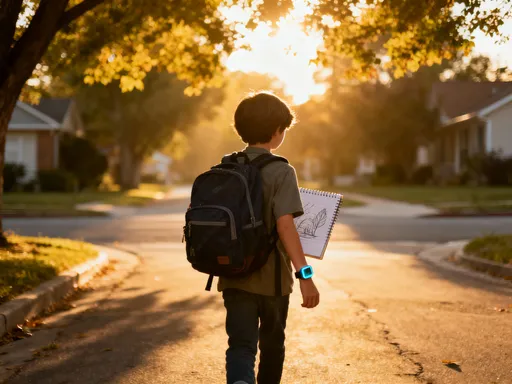
When my niece turned 16, her parents gave her a simple challenge: take the bus to her cousin’s birthday party—on her own. She was nervous, but excited. I helped her plan the route using the map app, showing her how to follow the blue line, when to transfer, and where to get off. I reminded her to keep her phone charged and to trust the voice guidance if she felt unsure. When she texted me later—“Made it! The app was so calm, like a teacher”—I felt a quiet pride, not just in her, but in the tool that had supported her.
That moment reminded me how much confidence comes from competence. For young people—especially young women—learning to navigate the world safely is a crucial step toward independence. And while we can’t walk beside them forever, we can give them tools that do, in their own way. A map app doesn’t just tell them how to get somewhere. It teaches them how to think ahead, how to adapt when plans change, and how to trust themselves.
I’ve seen this with college students using maps to explore new campuses, with teens meeting friends in downtown areas, with young professionals commuting for the first time. Each journey builds a little more courage. And the beauty of it is that the app doesn’t rush them. It waits. It repeats. It reroutes when they take a wrong turn—no judgment, just support. It’s like having a patient mentor in your pocket, one who knows that getting lost is part of learning.
As a woman who raised two daughters, I can’t tell you how much peace it gives me to know they have this kind of help. Not because I don’t believe in their strength—but because I know the world can be overwhelming. And sometimes, the best way to empower someone is to give them a quiet, reliable ally they can count on.
Beyond Directions: Maps as Daily Companions
We think of map apps as tools for travel, but honestly, I use mine more at home than on trips. It’s the first thing I open when I’m wondering if the pharmacy is open late, or if the farmer’s market is still set up on Sunday afternoons. I check it to see how long it’ll take to drop my youngest at soccer practice during rush hour. I use it to find EV charging stations when my sister visits with her new car. It’s not just about getting from A to B—it’s about making everyday decisions with confidence.
One morning, I was rushing to pack lunches and get everyone out the door when I realized I was out of milk. I quickly pulled up the map, checked which grocery stores were open, and saw that the one two blocks away had a “Peak Hours” alert showing it would be less crowded in 20 minutes. I adjusted our schedule, avoided the line, and actually had time to grab a banana for myself. It wasn’t a big moment—but it was a good one. And those small wins add up.
These apps have also become essential for planning family outings. When we wanted to visit a nature reserve last summer, I used the map to check trail accessibility, parking availability, and even restroom locations. I could see photos uploaded by other visitors, read reviews about stroller-friendliness, and confirm the visitor center hours. All of that before we even left the house. It turned what could have been a stressful adventure into a smooth, enjoyable day.
That’s the quiet power of modern mapping: it doesn’t just guide your steps. It supports your choices. It reduces friction in the routines that make up most of our lives. And for women who are constantly making decisions—what to cook, where to go, who needs what when—it’s one less thing to worry about. One more way to feel in control, even on the busiest days.
The Quiet Trust We’ve Built
Looking back, I realize I’ve built a kind of silent trust with my map app. I don’t think about it every time I use it—just like I don’t think about my car’s GPS or my morning coffee routine. It’s simply there, dependable, doing its job without demanding attention. And yet, when I pause to reflect, I see how much it’s changed my life: less stress, more confidence, deeper connections, and more room for joy.
Technology often gets praised for being flashy or revolutionary. But the tools that truly improve our lives are usually the quiet ones—the ones that don’t announce themselves, that just make things a little easier, a little smoother, a little kinder. A map app doesn’t make you braver, but it gives you the space to be. It doesn’t replace your instincts, but it backs them up. It doesn’t take over your life—it helps you live it more fully.
For women who carry so much—responsibility, emotion, memory, care—having a small, steady ally in our pockets means more than we might admit. It’s not about depending on tech. It’s about using it to reclaim time, reduce anxiety, and show up more present for the people we love. And in the end, isn’t that what the best technology should do? Not distract us from life, but help us feel more connected to it—street by street, moment by moment, heart by heart.