We’ve all felt that rush—walking into a boutique, eyeing a designer bag, and just *needing* to own it. I’ve been there, swiping my card without thinking. But over time, I realized luxury purchases weren’t adding value—they were draining my finances. What if you could enjoy high-end lifestyle moments without the long-term cost? This is the story of how I redefined luxury, avoided common financial pitfalls, and found smarter ways to spend. It’s not about deprivation—it’s about smarter cost optimization. The journey began with a simple question: why do I spend on luxury, and what am I really gaining? The answer transformed not just my spending habits, but my entire relationship with money.
The Allure of Luxury and the Hidden Cost
Luxury has long been associated with success, refinement, and self-reward. In today’s consumer culture, owning a designer handbag, wearing a premium timepiece, or dining at an exclusive restaurant is often seen as a symbol of achievement. These items promise more than utility—they offer emotional fulfillment, social recognition, and a sense of belonging to an elite circle. Marketing strategies amplify this perception by associating luxury brands with beauty, confidence, and exclusivity. Advertisements don’t just sell products; they sell identities. The message is subtle but powerful: if you own this, you become that.
Yet beneath this appealing surface lies a hidden cost that extends far beyond the price tag. Many people overlook the long-term financial consequences of repeated luxury spending. A single indulgence may seem harmless—a $300 pair of sunglasses, a limited-edition perfume, or a weekend getaway at a five-star resort. But when these purchases become habitual, they accumulate into significant outflows that can strain budgets and delay financial goals. The emotional high of acquiring something new is fleeting, while the financial burden lingers. What begins as a treat can quietly evolve into a pattern of emotional spending, where purchases are driven not by need but by mood, stress, or social comparison.
Psychological triggers play a major role in luxury consumption. Social validation, for example, is a powerful motivator. Seeing peers or influencers with high-end items can create a sense of inadequacy, prompting the desire to keep up. This is especially true in the age of social media, where curated images of lavish lifestyles are constantly on display. The fear of missing out—commonly known as FOMO—fuels impulsive decisions. Another key driver is instant gratification. In a world where immediate rewards are expected, luxury items offer a quick emotional boost. Unlike long-term investments such as retirement savings or home equity, which yield benefits years later, a designer jacket provides instant satisfaction. This imbalance makes it difficult to prioritize financial health over momentary pleasure.
Moreover, the concept of luxury itself has evolved. What was once reserved for the wealthy is now accessible through credit, installment plans, and seasonal sales. This democratization of luxury has made high-end goods more attainable, but it has also lowered the barrier to overconsumption. Retailers encourage spending by offering “buy now, pay later” options, which disconnect the act of purchasing from the reality of payment. As a result, many consumers end up financing lifestyles they cannot truly afford. The emotional appeal of luxury, combined with easy access to credit, creates a perfect storm for financial strain. Recognizing these patterns is the first step toward breaking free from the cycle of impulsive, emotionally driven spending.
Common Financial Pitfalls in Luxury Spending
Despite good intentions, many people fall into predictable financial traps when it comes to luxury spending. One of the most common is impulse buying during sales events. Retailers strategically time promotions—such as Black Friday, end-of-season clearances, or exclusive member-only offers—to create a sense of urgency. The perception of “saving” money can be misleading; in reality, consumers often spend more than they would have otherwise. A discounted price does not equate to value if the item is unnecessary or rarely used. The psychology of the deal overrides rational decision-making, leading to purchases made for the sake of the bargain rather than genuine need.
Another widespread pitfall is financing luxury items with high-interest credit. Using credit cards to buy premium goods without a repayment plan can lead to long-term debt. Interest charges compound over time, turning a $1,200 handbag into a $1,800 expense over two years. Minimum payments create the illusion of affordability, but they extend the repayment period and increase the total cost significantly. This is particularly dangerous when multiple luxury purchases are made in succession, as the debt burden grows while the items themselves lose value. Unlike appreciating assets such as real estate or stocks, most luxury goods depreciate rapidly. A new designer watch may lose 20% of its value the moment it leaves the store, and resale markets often offer only a fraction of the original price.
Chasing trends without considering long-term value is another costly habit. Fast fashion has influenced even the luxury sector, with brands releasing frequent collections and limited editions to drive demand. Consumers may buy items to stay current, only to discard them after a season. This short-term mindset contradicts the idea of luxury as timeless and enduring. Instead of investing in pieces that last, buyers accumulate items that quickly go out of style. The emotional reward fades, but the financial commitment remains. Additionally, using luxury as a form of emotional coping—retail therapy after a stressful day or as a response to personal challenges—can lead to a cycle of spending that masks deeper issues. While treating oneself is not inherently wrong, relying on purchases for emotional stability can result in financial instability.
These habits often go unnoticed because they occur within the context of a stable income. Someone earning a comfortable salary may justify luxury spending as a reward for hard work. However, consistent overspending—even in small amounts—can derail long-term financial goals. Saving for a home, funding children’s education, or building a retirement nest egg requires disciplined budgeting and delayed gratification. When disposable income is redirected toward luxury items, these priorities are compromised. The consequences may not be immediate, but over time, the gap between financial aspirations and reality widens. Recognizing these pitfalls is essential for making intentional choices that align with true financial well-being.
Redefining Value: From Price to Utility
Cost optimization begins with a fundamental shift in mindset—from focusing on price alone to evaluating the actual value a purchase delivers. Instead of asking, *How much does this cost?*, a more powerful question is, *What value will this bring over time?* This approach encourages consumers to assess utility based on durability, frequency of use, emotional return, and versatility. A $500 coat that lasts ten years and is worn regularly offers far greater value than a $200 jacket replaced every two years. The true cost of an item is not just its sticker price but its cost per use—calculated by dividing the price by the number of times it is worn or used.
This concept transforms the way people view luxury. Rather than equating high cost with high value, they begin to see value in longevity and functionality. A well-made leather handbag that maintains its appearance over years of use provides better return on investment than a trendy piece that deteriorates after a season. Similarly, investing in classic, timeless designs avoids the need to constantly update a wardrobe to keep up with fashion cycles. These choices reflect a more sustainable and financially sound approach to consumption. They also align with a growing cultural shift toward mindful spending and minimalism, where less is more and quality trumps quantity.
Emotional return is another important factor in assessing value. While some purchases provide lasting satisfaction—such as a piece of jewelry passed down in the family or a vacation that creates lifelong memories—others deliver only temporary pleasure. The key is to distinguish between fleeting emotional highs and enduring fulfillment. A spontaneous shopping trip may lift mood in the moment, but the excitement fades quickly. In contrast, experiences that foster connection, personal growth, or relaxation—such as a cooking class, a weekend retreat, or a family dinner at home—often provide deeper and longer-lasting joy. Prioritizing these types of experiences can lead to greater overall life satisfaction without the financial strain of material accumulation.
Shifting focus from price to utility also supports better financial decision-making. When consumers evaluate purchases through a long-term lens, they become more selective and intentional. They ask themselves whether an item will be used frequently, whether it complements existing possessions, and whether it aligns with their personal style and values. This disciplined approach reduces the likelihood of regret and minimizes waste. It also creates space in the budget for more meaningful goals, such as travel, education, or charitable giving. By redefining value in terms of lasting benefit rather than immediate appeal, individuals can enjoy a rich and fulfilling life without falling into the luxury trap.
Smart Strategies for Conscious Luxury Buying
Avoiding the luxury trap does not mean giving up on enjoying high-quality or special items. Instead, it involves engaging with luxury more thoughtfully and intentionally. One effective method is the 48-hour rule, which introduces a waiting period before making any non-essential purchase. This simple practice allows time for emotions to settle and for rational thinking to take over. Often, the initial desire fades after a day or two, revealing whether the purchase was driven by genuine need or impulse. This pause can prevent countless regrettable buys and redirect funds toward more meaningful uses.
Another useful strategy is building a curated wishlist. Rather than shopping reactively, individuals can create a list of items they truly value and would like to own long-term. This wishlist serves as a filter—only items that remain desirable after weeks or months are considered for purchase. It also helps prioritize spending by identifying which luxuries matter most. When a budget allows for a discretionary buy, the wishlist ensures that the money is spent on something truly wanted and valued, rather than a fleeting trend. This approach fosters a sense of anticipation and appreciation, enhancing the enjoyment of the eventual purchase.
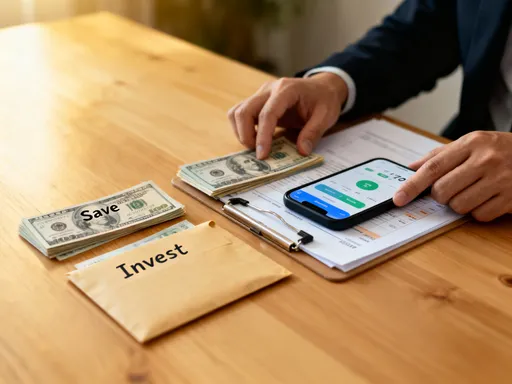
Using cash envelopes for discretionary spending is another proven technique. By allocating a fixed amount of cash each month for non-essential purchases, individuals create a visible and finite spending limit. Once the envelope is empty, no more spending occurs until the next cycle. This method increases awareness of spending habits and encourages more mindful choices. It also eliminates the disconnect created by credit cards, where spending feels abstract and consequences are delayed. The physical act of handing over cash makes the cost more tangible and immediate, reinforcing financial discipline.
Additional strategies include researching resale value before buying, exploring pre-owned markets, and timing purchases strategically. Many luxury items retain value better than others, and knowing which brands or models hold their worth can inform smarter decisions. Pre-owned markets—such as authenticated resale platforms—offer access to high-end goods at a fraction of the original price. These items are often in excellent condition and come with warranties or authenticity guarantees. Timing purchases around brand restocks or off-seasons can also yield significant savings. For example, buying winter coats in spring or swimwear in fall allows access to premium items at discounted prices. These practices combine frugality with discernment, enabling individuals to enjoy luxury without overpaying.
Balancing Lifestyle Aspirations with Financial Health
Living a fulfilling life does not require overspending. True financial well-being comes from aligning spending with personal values and long-term goals. Many people equate luxury with visible consumption—driving an expensive car, wearing designer labels, or hosting lavish parties. While these choices may bring temporary admiration, they often come at the expense of invisible wealth-building activities, such as saving, investing, and debt reduction. The contrast between displaying wealth and actually building it is stark. One supports image; the other supports freedom and security.
Assessing financial priorities is essential for making intentional trade-offs. A single luxury purchase—such as a $2,000 handbag—may seem minor in isolation, but its long-term impact can be significant. If that amount were invested instead, earning an average annual return of 7%, it could grow to over $15,000 in 30 years. This is not to say that spending on luxuries is wrong, but rather that each choice carries an opportunity cost. Understanding this trade-off empowers individuals to make decisions that reflect their deeper values. For some, a designer item may be worth the cost; for others, the same money might be better spent on a family vacation, home improvement, or retirement savings.
The goal is sustainable enjoyment without future regret. This means being honest about what truly brings happiness and what merely satisfies a temporary desire. It also involves setting boundaries and saying no to social pressures. Just because a friend buys a new luxury watch does not mean it is necessary or appropriate for someone else’s financial situation. Personal finance is deeply personal, and comparison is often the enemy of contentment. By focusing on individual goals—whether that’s early retirement, financial independence, or funding a child’s education—people can make spending choices that support their vision of a good life.
Ultimately, balancing lifestyle aspirations with financial health is about intentionality. It requires regular reflection, clear priorities, and the courage to make choices that may differ from societal expectations. When spending decisions are guided by values rather than impulses, they contribute to lasting well-being rather than short-term gratification. This balance allows individuals to enjoy life’s pleasures without compromising their financial future.
Tools and Habits for Long-Term Cost Control
Sustainable financial change requires more than motivation—it requires systems. Budgeting frameworks tailored to discretionary spending help individuals allocate funds responsibly. The 50/30/20 rule, for example, suggests dividing income into needs (50%), wants (30%), and savings/debt repayment (20%). Within the “wants” category, a sub-budget for luxury or discretionary spending ensures that indulgences are planned and limited. This structure prevents overspending while still allowing room for enjoyment.
Tracking apps play a crucial role in increasing financial awareness. Tools that categorize spending, generate monthly reports, and highlight trends make it easier to identify problem areas. Seeing a visual representation of how much is spent on dining out, clothing, or entertainment can be a powerful wake-up call. Some apps even send alerts when spending in a category exceeds a set limit. These features create accountability and support better decision-making. When individuals understand their spending patterns, they are more likely to make intentional adjustments.
Monthly financial review rituals are another effective habit. Setting aside time each month to assess income, expenses, savings progress, and upcoming goals reinforces discipline. During this review, individuals can evaluate recent purchases, update their wishlist, and adjust budgets as needed. This routine transforms financial management from a reactive chore into a proactive practice. It also provides a sense of control and progress, which motivates continued adherence to healthy habits.
Automation further strengthens financial discipline. Setting up automatic transfers to savings or investment accounts ensures that wealth-building happens consistently, without requiring constant decision-making. Similarly, creating a “guilt-free” spending fund—automatically funded each month—allows for planned indulgences without guilt or budget disruption. Small daily habits, such as pausing before checkout, consulting a spending journal, or discussing big purchases with a trusted partner, also build long-term awareness. These practices, when combined, create a supportive ecosystem that makes smart spending the default choice.
The Bigger Picture: Wealth, Freedom, and True Luxury
The ultimate goal of cost optimization is not to deprive oneself, but to create space for what truly matters. True luxury is not found in material possessions, but in freedom—freedom of time, freedom of choice, and freedom from financial stress. When individuals avoid the pitfalls of impulsive luxury spending, they gain more than money; they gain peace of mind, clarity, and the ability to live life on their own terms. This shift in perspective transforms financial discipline from a restriction into an act of self-respect.
Mindful spending is directly linked to broader financial independence. Every dollar saved or wisely invested brings a person closer to the ability to make choices based on desire rather than necessity. Whether it’s the freedom to take a sabbatical, start a business, or spend more time with family, these possibilities are built on a foundation of sound financial habits. Avoiding unnecessary expenses today enables greater flexibility and security tomorrow. The compounding effect of consistent saving and investing can be life-changing over time.
Moreover, redefining luxury as freedom rather than ownership aligns with deeper human needs. Security, connection, and purpose bring more lasting satisfaction than any designer item. When financial energy is directed toward these areas—through responsible spending, thoughtful gifting, and intentional living—life becomes richer in ways that money alone cannot measure. The confidence that comes from knowing one’s finances are under control is itself a form of luxury.
In the end, the journey away from the luxury trap is not about sacrifice, but about empowerment. It is about making conscious choices that reflect personal values, protect financial health, and open doors to a more fulfilling future. By optimizing spending, individuals gain not just money, but time, peace, and the freedom to live authentically. That is the true definition of wealth.